Drainage & Erosion Control in Hartford, CT
A wet yard, a flooding basement, a driveway that ices over, a slope that washes out — almost every one traces back to water that has nowhere good to go. Solving it is rarely about pumping water out after the fact; it is about giving the water a path away from your house and your land before it does damage. That is drainage work, and it is some of the highest-value site work there is.
Hartford Excavation & Site Work designs and installs drainage across Greater Hartford — French drains, swales, catch basins, downspout and footing drains, and the grading that ties them together — plus the erosion control that keeps Connecticut’s slopes and open sites from washing away.
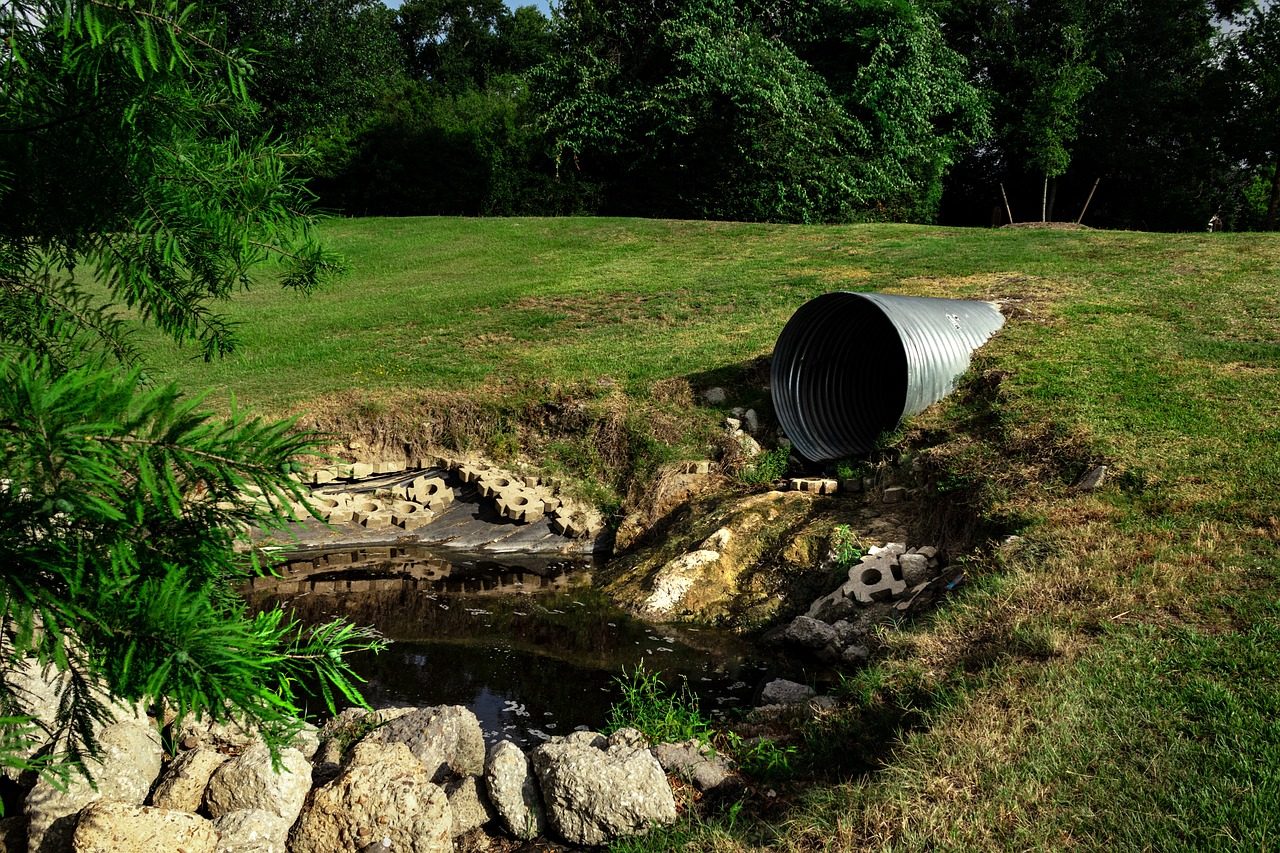
The tools that move water
A good drainage plan usually combines a few elements chosen for the specific problem:
- French drains — gravel-and-pipe trenches that intercept water underground and carry it away.
- Swales and regrading — shaping the surface so water runs where you want it.
- Catch basins and yard drains — collecting water from low spots and downspouts.
- Downspout and footing drains — moving roof and foundation water well away from the house.
- Dry wells and outlets — giving the collected water somewhere to safely discharge.
Finding the actual source first
The mistake in drainage is treating the symptom. Water in the basement might be surface runoff that grading fixes, roof water from downspouts dumping at the wall, or groundwater that needs a French drain — and the right fix is completely different for each. We start by working out where the water is actually coming from and where it can go, then build the drainage around that. A drain installed in the wrong place just moves the puddle.
Erosion control on Connecticut slopes
Central Connecticut’s slopes and stony soil erode when water runs unchecked, and Connecticut requires erosion and sediment control on active excavation sites for exactly that reason. Beyond the regulation, controlling erosion protects your investment — a regraded slope, a new drain outlet or an open site needs stabilization so the first heavy rain does not carve channels through it. We build erosion control into drainage and grading work rather than treating it as an afterthought.
Drainage Solutions: common questions
How much does a French drain or yard drainage cost in Hartford?
It depends on length, depth, access and where the water discharges, but drainage is generally one of the higher-value site investments — far cheaper than the wet-basement or foundation damage it prevents. We give an itemized estimate after finding where the water is coming from and where it can go.
My basement floods every spring — can you fix it?
Usually, yes. Seasonal basement water is most often surface runoff and roof water reaching the foundation, which grading, downspout drains and a footing or French drain resolve. We identify whether it is surface water or groundwater first, because the fix is different, then build the drainage to match.
What’s the difference between a French drain and a swale?
A French drain is a buried gravel-and-pipe trench that intercepts and carries water underground; a swale is a shallow shaped channel that moves water along the surface. Many yards use both — the swale handles surface runoff and the French drain handles subsurface water. We use whichever fits where your water actually is.
Do you handle erosion control?
Yes — erosion and sediment control is both good practice and required by Connecticut on active sites. We stabilize regraded slopes, drain outlets and open excavations so heavy rain does not wash them out, and we build it into drainage and grading work rather than bolting it on later.